Alopecia at a Glance
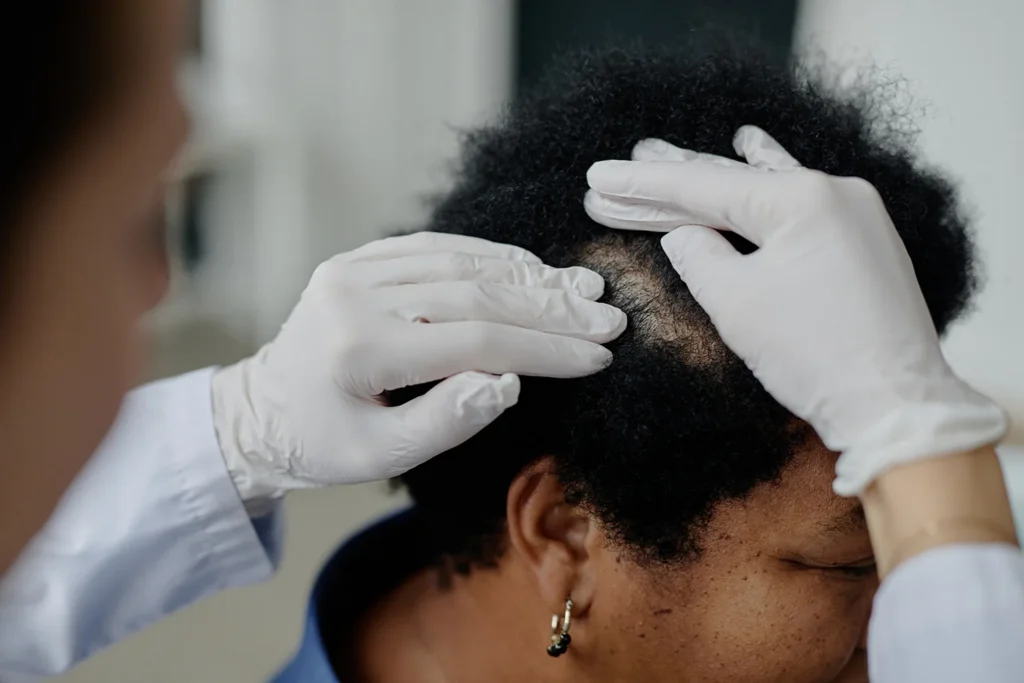
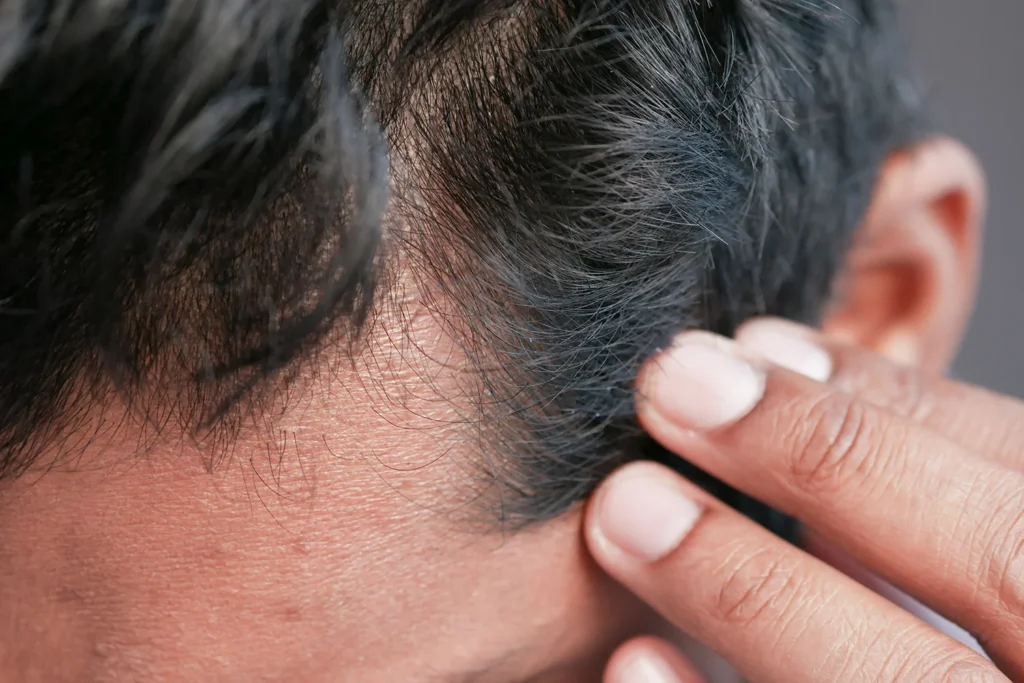
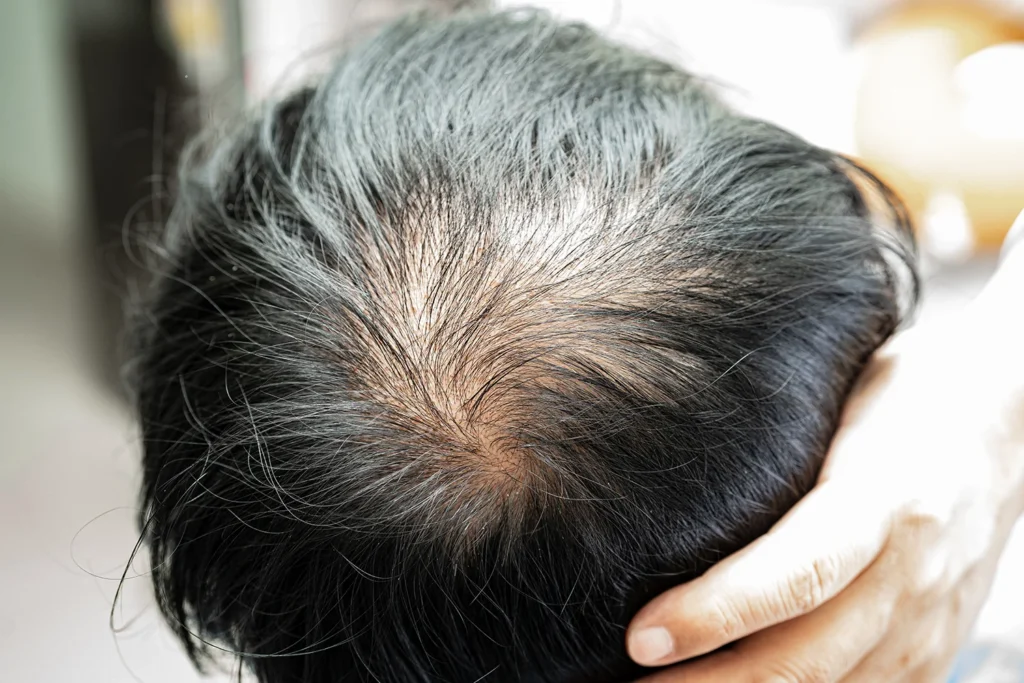
Alopecia is a condition that causes hair loss, most commonly due to immune system activity affecting hair follicles.
Common features of alopecia include:
- Sudden hair loss in round or oval patches
- Hair thinning or shedding
- Loss of eyebrows or eyelashes
- Changes in hair regrowth patterns
- Nail changes in some individuals
Alopecia can affect people of all ages and may develop suddenly.
There are several forms of alopecia, including:
- Alopecia areata – patchy hair loss
- Alopecia totalis – complete loss of scalp hair
- Alopecia universalis – loss of all body hair
The condition often occurs in cycles, with periods of hair loss followed by periods of regrowth.
What Is Alopecia?
Alopecia is a term used to describe hair loss. The most common immune-related form is alopecia areata, which occurs when the immune system targets the hair follicles.
Hair normally grows in cycles consisting of three phases:
- Growth phase (anagen)
- Transition phase (catagen)
- Resting phase (telogen)
In alopecia areata, immune activity disrupts the growth phase of the hair cycle. This causes hair follicles to prematurely enter the resting phase, leading to sudden hair shedding.
Importantly, the hair follicle itself is usually not permanently destroyed. This is why hair regrowth is often possible, even after significant hair loss.
However, the condition may recur or fluctuate over time.
How Alopecia Affects the Body
Several biological mechanisms are thought to contribute to the development of alopecia.
Immune System Dysregulation
In autoimmune disorders, the immune system mistakenly targets healthy tissue. In the case of alopecia, immune cells attack the hair follicle, triggering inflammation that disrupts hair growth.
Researchers have identified immune signalling molecules, known as cytokines, that are involved in this inflammatory response.
These immune signals can cause the hair follicle to enter a resting phase prematurely, resulting in hair shedding.
Genetic Susceptibility
Individuals with a family history of autoimmune diseases may have a higher risk of developing alopecia areata. Certain genetic variations associated with immune regulation have also been identified in people with the condition.
However, genetics alone do not determine whether alopecia will occur. Environmental or physiological triggers may also play a role.
Inflammation and Immune Signalling
When inflammatory signals become activated around hair follicles, they can interfere with the normal hair growth cycle. This inflammatory environment may contribute to hair loss and changes in regrowth patterns.
In some individuals, alopecia occurs alongside other inflammatory or autoimmune conditions, highlighting the role of immune system regulation in the condition.
Stress and the Nervous System
Stress can influence immune activity through the autonomic nervous system and hormonal pathways, including the release of stress hormones such as cortisol.
When the body experiences prolonged stress, changes in immune signalling and inflammation may influence the hair growth cycle.
While stress is not always the direct cause of alopecia, it may act as a trigger in susceptible individuals.
Changes in Hair Growth
Some people experience small, isolated patches of hair loss that later regrow, while others may experience more extensive hair loss affecting the scalp or body.
Hair regrowth may occur spontaneously, although the timing and pattern of regrowth can be unpredictable.
Association with Autoimmune Conditions
- Thyroid disorders
- Vitiligo
- Rheumatoid arthritis
- Certain inflammatory skin conditions
Psychological and Emotional Impact
Changes in appearance may affect confidence, self-esteem, and social interactions. Some individuals may also experience anxiety or emotional distress related to the unpredictability of the condition.
Recognising the psychological effects of hair loss is an important part of understanding the broader impact of alopecia.
Long-Term Effects of Alopecia
Although alopecia primarily affects hair growth, it can influence both physical and emotional wellbeing.